


Introduction: Making Space to Slow Down
Discover how sound therapy can create a peaceful opportunity to slow down, relax, and reconnect with yourself.
Introduction: Making Space to Slow Down
Modern life often leaves us surrounded by constant noise, busy schedules, notifications, and responsibilities. Even when we have time to rest, our minds may continue moving from one thought to another. Finding a quiet moment to reconnect with ourselves can become an important part of a balanced lifestyle.
Sound therapy offers a dedicated space to pause, listen, and experience a different kind of relaxation. Through singing bowls, gentle tones, rhythmic sounds, and vibrations, a sound session encourages participants to shift their attention away from everyday distractions and toward the present moment.
At Decatur Healing Arts, sound therapy can be explored as part of a holistic wellness journey focused on relaxation, self-awareness, and mindful living.
What Is Sound Therapy?
Sound therapy is a wellness practice that uses sound and vibration to create a calming sensory experience. Sessions may include Tibetan singing bowls, crystal bowls, chimes, gongs, gentle percussion, or other resonant instruments.
Instead of concentrating on conversation or physical movement, participants are invited to settle into a comfortable position and listen. Different tones and rhythms create an immersive atmosphere that can help make a session feel restful and reflective.
Sound therapy experiences vary depending on the practitioner, instruments, setting, and individual preferences. Some people enjoy the rich, resonant sounds of metal bowls, while others prefer the softer tones of crystal bowls or gentle chimes.
How Sound Creates a Relaxing Experience
Sound naturally attracts our attention. A familiar melody can bring back a memory, gentle rain can create a feeling of comfort, and the steady rhythm of waves can make a busy environment feel distant.
During a sound session, the changing tones encourage participants to listen carefully rather than actively solve problems or complete tasks. The combination of sound, a peaceful environment, and a comfortable resting position can create an opportunity to slow down.
The experience is personal. Some people may feel deeply relaxed, while others simply enjoy a quiet break from their usual routine. There is no need to achieve a particular feeling or expectation for the session to be worthwhile.

The Potential Benefits of Sound Therapy
Sound therapy is a complementary wellness experience that many people enjoy for relaxation, mindful listening, and creating a calmer environment.
The Potential Benefits of Sound Therapy
Sound therapy is often chosen as a complementary wellness experience. People may enjoy it for several reasons.
1. Encourages Relaxation
A quiet setting and gentle sounds can provide a welcome break from a busy day. Taking time to rest and listen may help you feel more settled and comfortable.
2. Supports Mindful Awareness
Paying attention to different tones, rhythms, and pauses gives your mind something simple to focus on. This can become a form of mindful listening, helping you notice the present moment without needing to change anything.
3. Creates Time for Reflection
Stepping away from daily responsibilities can give you room to reflect on your thoughts, feelings, and personal needs. A sound session can offer a peaceful setting for this kind of self-awareness.
4. Complements a Self-Care Routine
Sound therapy can be combined with other practices, such as meditation, gentle stretching, breathing exercises, or a relaxing evening routine. It does not need to be complicated to become a meaningful part of your schedule.
5. Provides a Sensory Experience
The layered tones of singing bowls and chimes can make a session feel immersive. Listening to sounds rise, change, and fade invites attention to the subtle details of the experience.
Sound therapy is not a guaranteed treatment for medical or mental health conditions. Its effects vary from person to person, and it is best approached as a complementary wellness practice.
What Happens During a Sound Therapy Session?
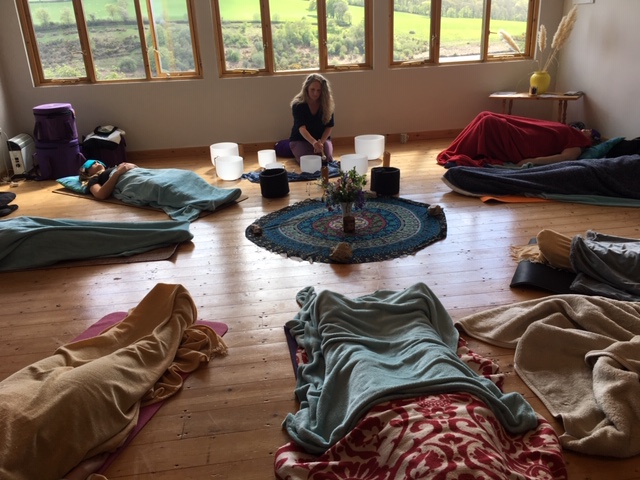
A sound therapy session typically takes place in a peaceful environment designed to support comfort and relaxation. Depending on the format, you may sit on a cushion or lie down on a yoga mat with a blanket.
The practitioner introduces the instruments and begins playing a sequence of sounds. You may hear individual tones, overlapping vibrations, gentle rhythms, and periods of silence.
During the session, you can focus on the sounds, notice how your body feels, or simply rest. There is no requirement to meditate perfectly or keep your mind completely clear.
Some sessions are conducted individually, while others take place in a group setting. Session length and the instruments used can vary, so it is helpful to check the details before attending.
How to Prepare for Your First Sound Session
Wear comfortable clothing, arrive a little early, and give yourself time to settle in. Allow yourself to experience the session without distractions.
How to Prepare for Your First Sound Session
If you are new to sound therapy, a few simple preparations can help you feel more comfortable.
Wear comfortable clothing: Choose clothes that allow you to sit or lie down without restriction.
Arrive a little early: Give yourself time to settle in and become familiar with the space.
Communicate your preferences: Let the practitioner know if you are sensitive to sound or prefer lower volume levels.
Choose a comfortable position: Use cushions, blankets, or other available supports.
Keep expectations flexible: You do not need to experience a particular sensation. Listening and resting are enough.
Allow time afterward: If possible, leave a few minutes after the session before returning to a busy schedule.
If you have sound sensitivity, tinnitus, migraines triggered by noise, or another condition affected by sound, discuss your needs with the practitioner beforehand. Ask for volume adjustments or choose a different wellness option if appropriate.
Simple Ways to Practise Mindful Listening at Home
You do not need a full collection of instruments to make mindful listening part of your day. Begin with a comfortable place and a few uninterrupted minutes.
Step 1: Find a quiet space. Sit comfortably and reduce unnecessary distractions.
Step 2: Choose a sound. You might listen to gentle instrumental music, birds outside, rainfall, or a soft chime.
Step 3: Notice the details. Pay attention to the sound's pitch, rhythm, volume, and how it changes over time.
Step 4: Allow pauses. Notice the silence between sounds instead of filling every moment with another activity.
Step 5: Return gently. If your attention wanders, bring it back to listening without judging yourself.
Start with three to five minutes and adjust the duration to suit your comfort. The goal is not to eliminate every thought but to make a little room for intentional attention.

Sound Therapy and Other Holistic Wellness Practices
Explore different ways to support your wellness routine. Sound therapy emphasizes listening and sensory awareness, while meditation, massage therapy, and salt therapy offer other ways to make time for self-care.
Sound Therapy and Other Holistic Wellness Practices
Different wellness practices offer different ways to pause and reconnect. Sound therapy emphasizes listening and sensory awareness, while meditation may focus on attention, breathing, or observation.
Massage therapy provides a hands-on relaxation experience. Salt therapy offers a distinctive environment associated with salt rooms, and gentle movement classes create opportunities to reconnect with the body through movement and breath.
Some people prefer one approach, while others enjoy exploring several options. Your choice can depend on personal comfort, interests, accessibility, and the type of experience you are seeking.
At Decatur Healing Arts, exploring different wellness offerings can help you discover experiences that fit your individual preferences and self-care goals.
Making Relaxation a Regular Practice
Self-care does not always require a major change in your schedule. A few intentional minutes of listening, a quiet evening, or a planned wellness session can provide an opportunity to step away from daily demands.
Consider setting aside a regular time to listen to calming music, attend a sound session, or enjoy a quiet moment without notifications. Notice which environments help you feel comfortable and which practices you naturally want to return to.
Consistency should feel supportive rather than like another obligation. Start small, remain flexible, and choose practices that work realistically with your lifestyle.
Conclusion: Discover the Value of Listening
Sound therapy offers an opportunity to experience relaxation through sound, vibration, and mindful attention. From the resonant tones of singing bowls to the quiet pauses between sounds, a session can create dedicated space for rest and reflection.
Whether you are exploring sound therapy for the first time or adding it to an existing wellness routine, approach the experience with curiosity and realistic expectations. There is no single correct way to relax, and discovering what feels comfortable for you is part of the journey.
At Decatur Healing Arts, your wellness journey can include opportunities to slow down, explore holistic practices, and make more room for self-care.
Ready to explore a sound therapy experience?
Discover the wellness services available at Decatur Healing Arts and find an option that aligns with your personal preferences.